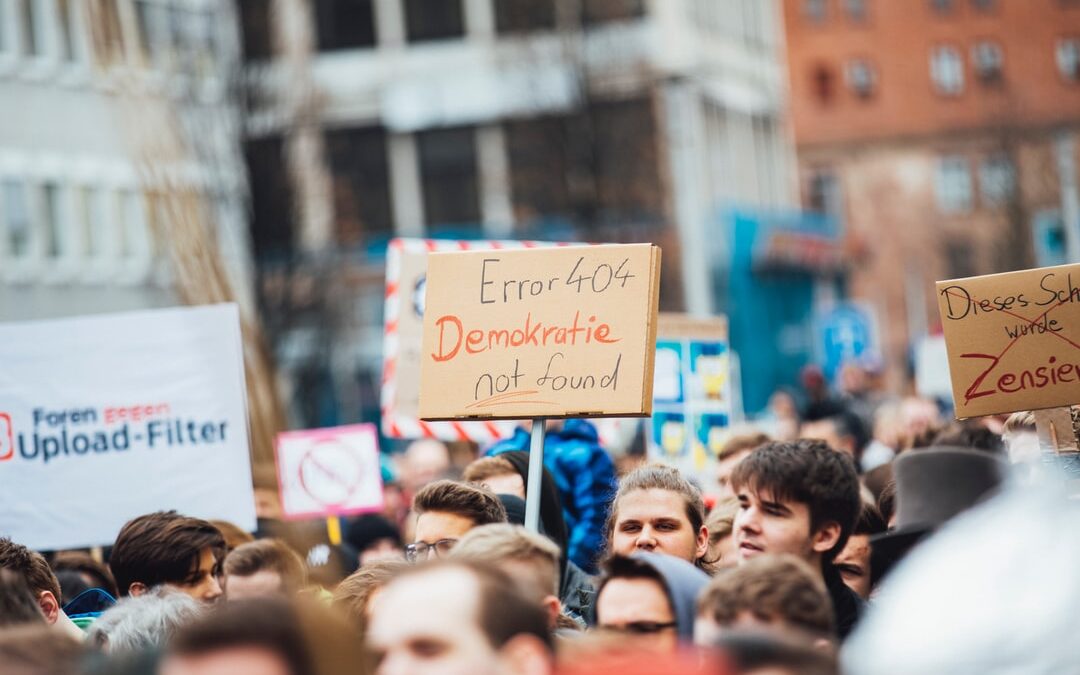
The Truth About Ag-gag Laws and Who they Really Protect with Kathryn Sussman and Camille Labchuk
In the wake of NYK’s february focus on factory farm animal welfare, listen as NYK Executive Director Kathryn Sussman and Animal Justice Executive Director, Camille Labchuk, hash out the crucial significance of agricultural gag legislation (ag-gag laws). Kathryn and Camille discuss why the public needs to be informed about ag-gag laws, and why it is crucial that we all take a proactive role in striking them down. Ag-gag laws do not serve the best interest and welfare of factory farmed animals, and, in fact, they need to be struck down if these animals are to be protected from inhumane treatment and atrocious living conditions.

Still Wearing Animals? Why We Should Be Kinder To Our Kin, with PETA founder and Animalkind author, Ingrid Newkirk
Did you know that sheep are far from mindless creatures? In fact, they have remarkable memory and recognition skills – they can recognize over twenty other human beings and other sheep from photographs. Have you heard how sheep in Asia have learnt through observation to operate water pumps using their horns? But have you also heard that humans have bred sheep to grow thicker wool, and that this unnatural overload of wool causes many sheep to suffer unnecessarily, often enduring extremely cruel conditions, all in the name of profit?
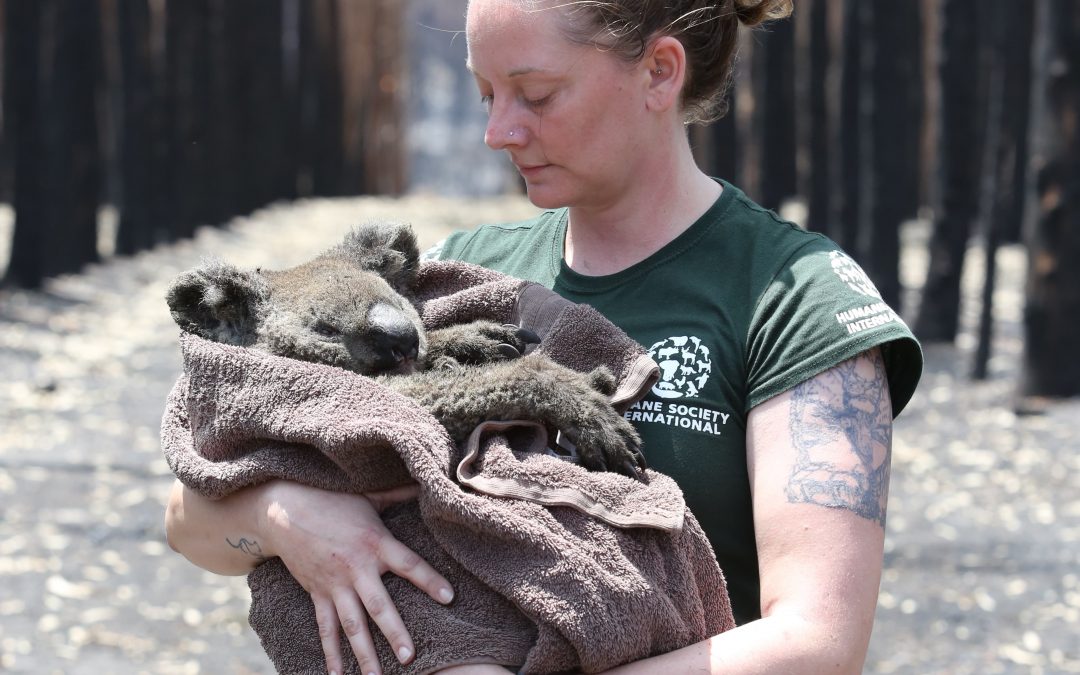
Through the eyes of a wildlife-rescue specialist: The Australia Fires with Kelly Donithan
In this episode of NYK Politics, Kelly Donithan, senior specialist with the Disaster Operations at Humane Society International (HSI), Washington D.C., takes us on a startling journey: join us as we see through the eyes of personnel on the ground in Australia as they face the hard reality of rescuing wildlife amidst the perils and aftermath of the fires.

Is Ethical Fashion on Your Radar? Why It Should Be! with New York’s acclaimed Fashion Designer, Joshua Katcher
Did you know that entire species have gone extinct due to the fashion industry, and that the leather shoe industry is one of the main drivers of climate change? Have you heard that it is leather, not meat, that is by far the most profitable element of factory farming animals such as cows and pigs? Did you know that the wool is actually being pulled over your eyes when it comes to the sustainability and ethics of the wool industry itself?
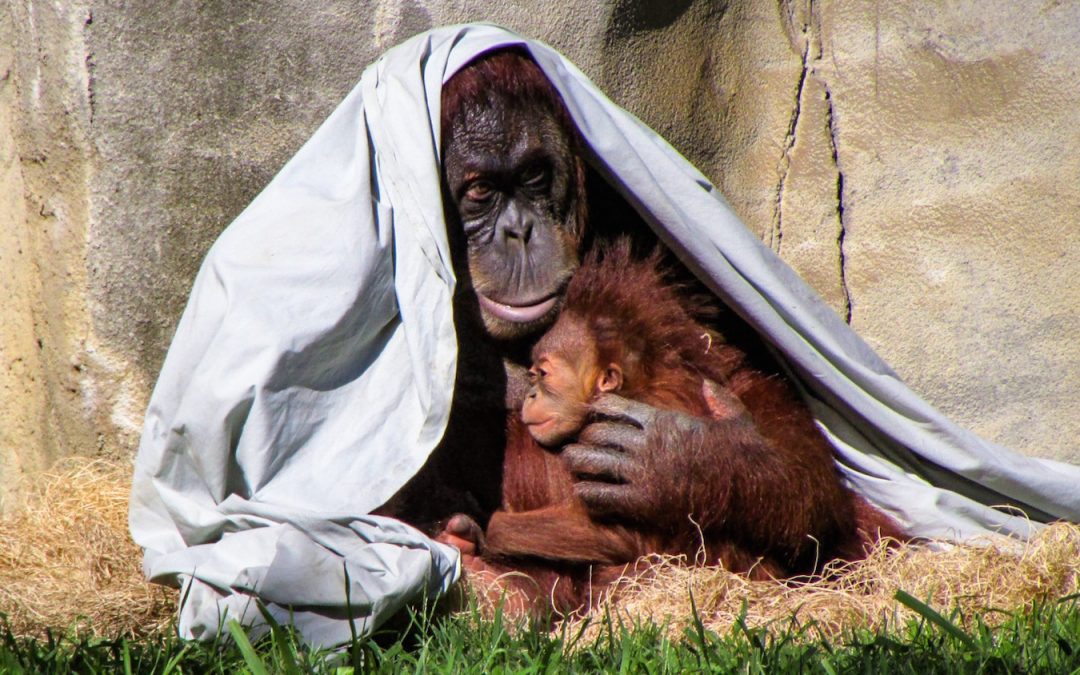
Why We’re Sending Orangutans to School: How We are Hurting and Helping One of Our Nearest Relatives with Primatologist Dr. Anne Russon
In this special edition of Now You Know, Kathryn Sussman talks with Primatologist and Professor of Psychology at York University, Glendon College, Dr. Anne Russon. With over 30 years experience studying and working with wild and captive Orangutans in Indonesian Borneo, Dr. Anne underscores how these great apes are so very similar to us, and how with their humour and deeply social nature, can indeed outsmart us any day of the week!

Think climate change is the polar bear’s greatest threat? Think again – Morten Jorgensen
Is climate change the polar bear’s greatest threat? In this jaw-dropping interview, author and conservationist Morten Jorgensen explains how all risks to wild polar bear populations are human-posed. While global warming is the best-known, the most dangerous is in fact overhunting. What we are doing wrong and where are we, as Canadians, failing to protect this iconic species?
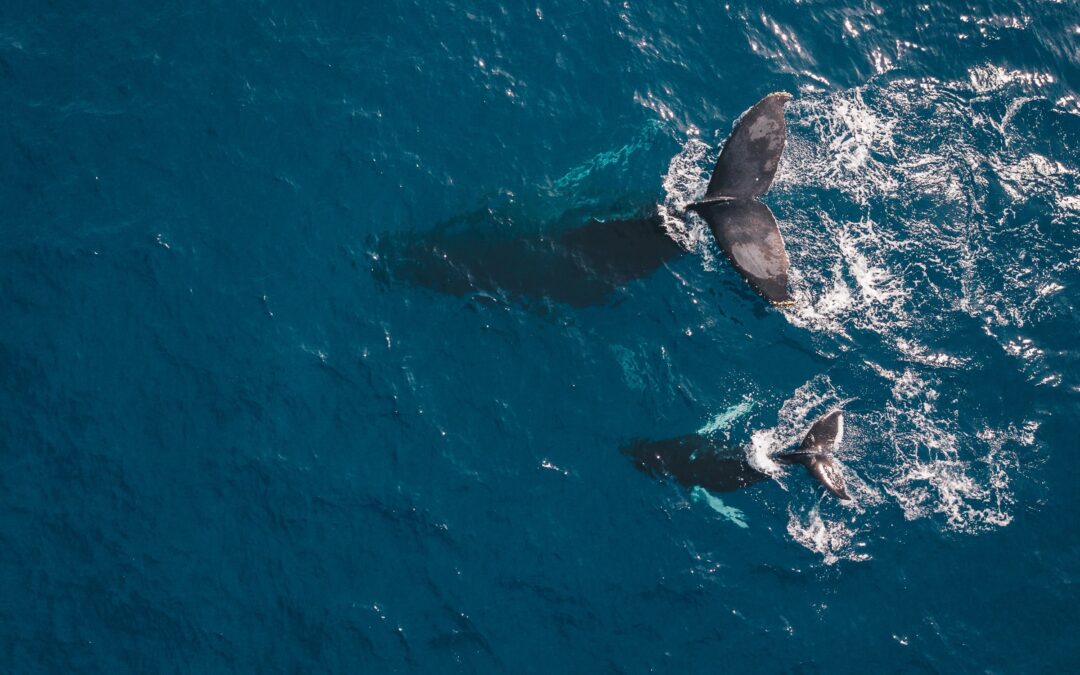
“The Ocean Is The Planet” – Capt. Paul Watson
Award-winning Captain Paul Watson, co-founder of Greenpeace, and founder, president and executive director of the Sea Shepherd Conservation Society talks about a wide gamut of marine conservation issues. Everything from the current state of wild whale populations, to Canada’s recent ban of shark fin and cetacean import, as well as the commercial seal hunt and single-use plastics.
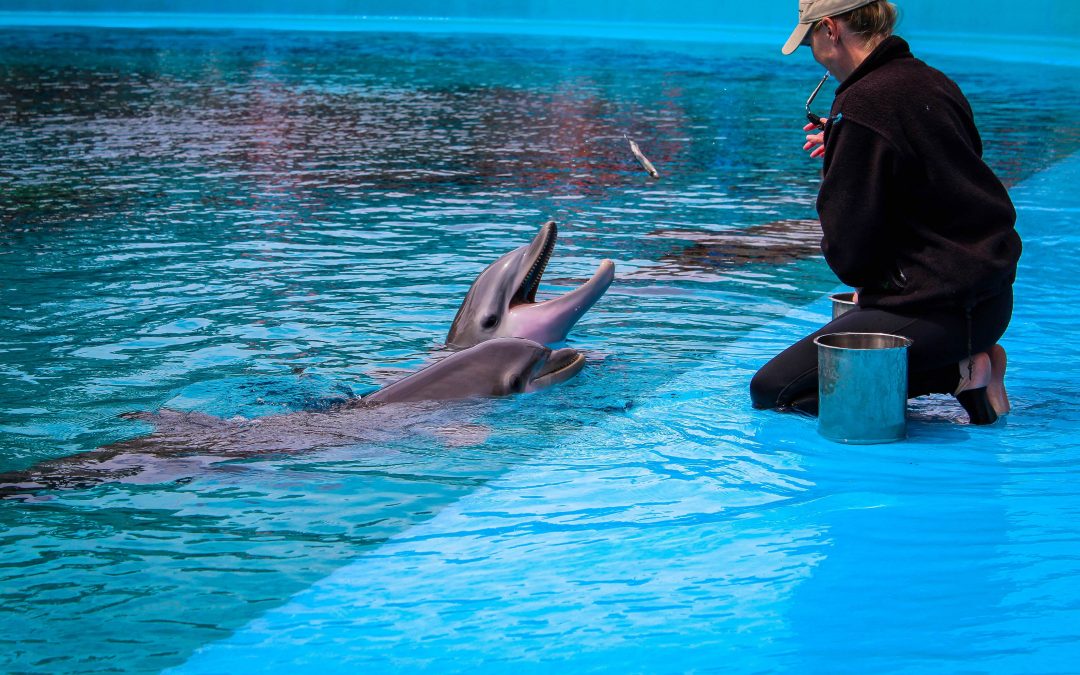
Ex Dolphin Trainer Jeff Ventre’s Wild Transformation: A Necrotic Tail and A Human Revelation
In this episode of NYK Experts Uncut, Dr. Jeff Ventre, former marine mammal trainer at SeaWorld explains how after seeing killer whales in the wild, he had a profound and life-changing revelation: he could no longer condone cetacean captivity. Jeff, co-founder of the advocacy group, Voice of the Orcas, has co-authored science-based articles, is featured in the documentary Blackfish, as well as in the book Death at SeaWorld. He is also the lead organizer of Superpod, the world renowned symposium on cetaceans that brings together experts and advocates from around the world every two years in the San Juan Islands.
Behind the Smile: We’ve Banned it at Home, Let’s Not Do it Abroad – with Melissa Matlow
In this episode of Now You Know, Kathryn Sussman talks with Melissa Matlow, campaign director at World Animal Protection, about WAP’s WildLife. Not Entertainers campaign, which aims to get travel companies and tourists to understand the impact they can have on animals through tourism. Melissa, with more than fifteen years experience leading welfare and environmental campaigns in Canada and around the world, provides us with a background to this particular campaign: it was launched in 2015 with the goal to get travel companies to stop selling elephant rides. The most recent focus in the campaign is Behind the Smile, a thorough report that expounds on the multi-billion dollar dolphin entertainment industry.

NYK Politics: Let’s Learn How to Live with Wolves Peacefully, rather than Poisoning Them –with Liz White
In this episode of Now You Know Politics, Kathryn Sussman talks with Liz White, Executive Director of Animal Alliance of Canada and leader of the Animal Protection Party of Canada about Canadian wildlife management and culling practices. Listen as Liz outlines why “management” came about in the early 1900’s in Canada, its pros and its cons, and the differences between government-sanctioned hunting, and culling.
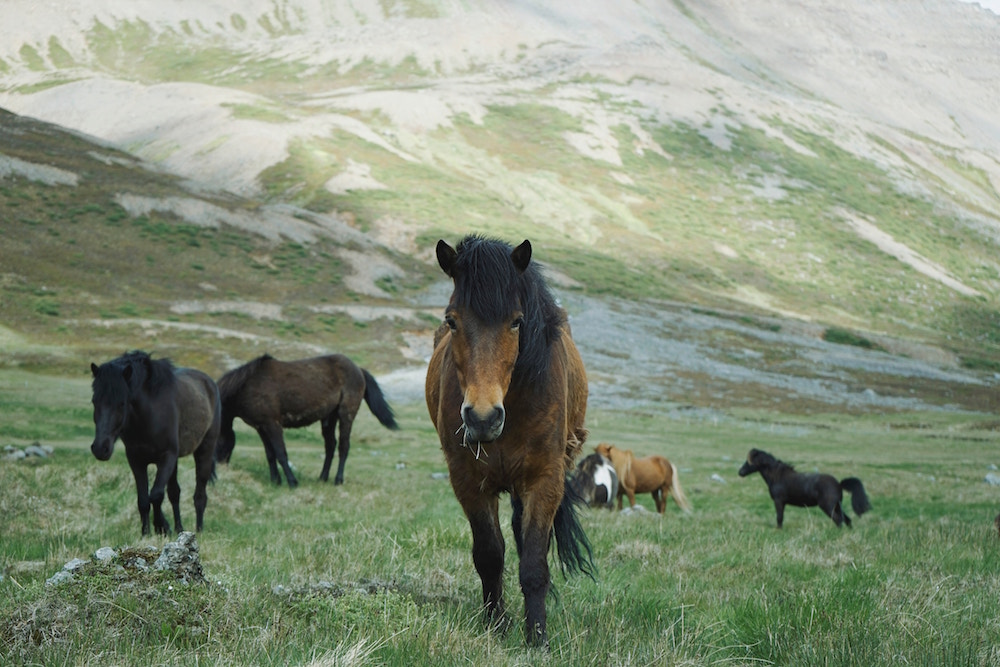
Yes! Canada has Wild Horses! – Julie Woodyer
Did you know that Canada has several populations of wild free-roaming horses? Listen as Julie Woodyer, Campaigns Director, Zoocheck, and one of the most competent animal advocates working in Canada today, tells us all about Canada’s wild populations, their history and their cultural significance. Learn in detail about the current plight of Alberta’s wild horses, the ones that most need our protection, and what you can do to help keep them free.

“Animal welfare and the impact of your vote” with Kathryn Sussman and Rob Laidlaw
This week on NYK Politics, Kathryn Sussman and Zoocheck founder Rob Laidlaw give an overview of the most pressing animal welfare & environmental topics that Canadians should consider when casting their vote at the 2019 federal election.

Why Bats Shouldn’t Get a Bad Rap – Rob Laidlaw
Did you know? Bats are mammals and the only mammals that are capable of true flight. They comprise one fifth of all the mammal species in the world, are intelligent, have social lives, and contrary to public perception, are not blind and will not get caught in your hair! Listen as Zoocheck founder and bat enthusiast Rob Laidlaw, clarifies how bats are in fact harmless, beneficial to humans and to the environment.
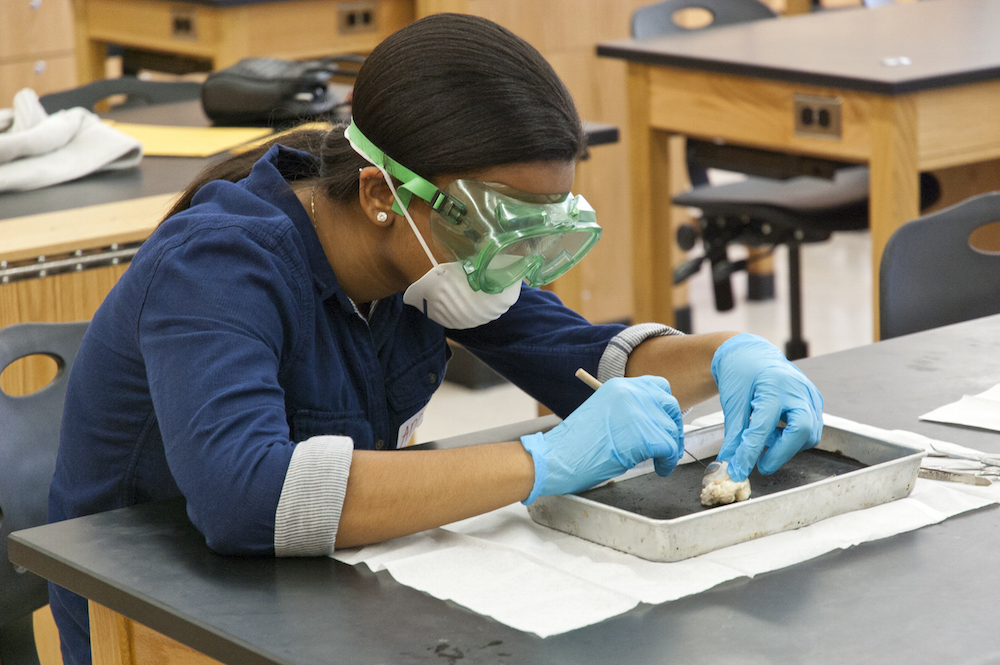
Back to school and animals in the classroom with Kathryn & Gen
September is synonymous with cooler temperatures, spending more time indoors, and back to school of course! This week, Kathryn and Gen wrap up this month’s topic on Animals in Science by reminding us of a few experts’ tips on how to avoid the unethical treatment of animals at school.

“What is Wrong with Using Animals in the Classroom?” with Kathryn Sussman and Rob Laidlaw
This month on NYK Politics, Kathryn Sussman and Zoocheck founder Rob Laidlaw discuss the politics behind the multiple uses of animals in the academic curriculum. Dissection is still going strong among classroom activities despite decades of parents and kids opposing it and various studies proving its ineffectiveness in teaching; but also live animals are kept as classroom pets and school outings to nearby animal facilities and local zoos remain a favourite.

Dissection Part 2: Classroom Dissection – Non-Animal Alternatives as Superior Teaching Tools with Dr. Elisabeth Ormandy
In this interview, Dr. Elisabeth Ormandy, co-founder and executive director of BC-based Animals in Science Policy Institute, details all of the phenomenal benefits of switching to non-animal alternatives to classroom dissection. Be prepared to be amazed how easy it is for teachers to switch to these superior models and how they help students to learn more effectively in a cheaper, greener, and safer way.
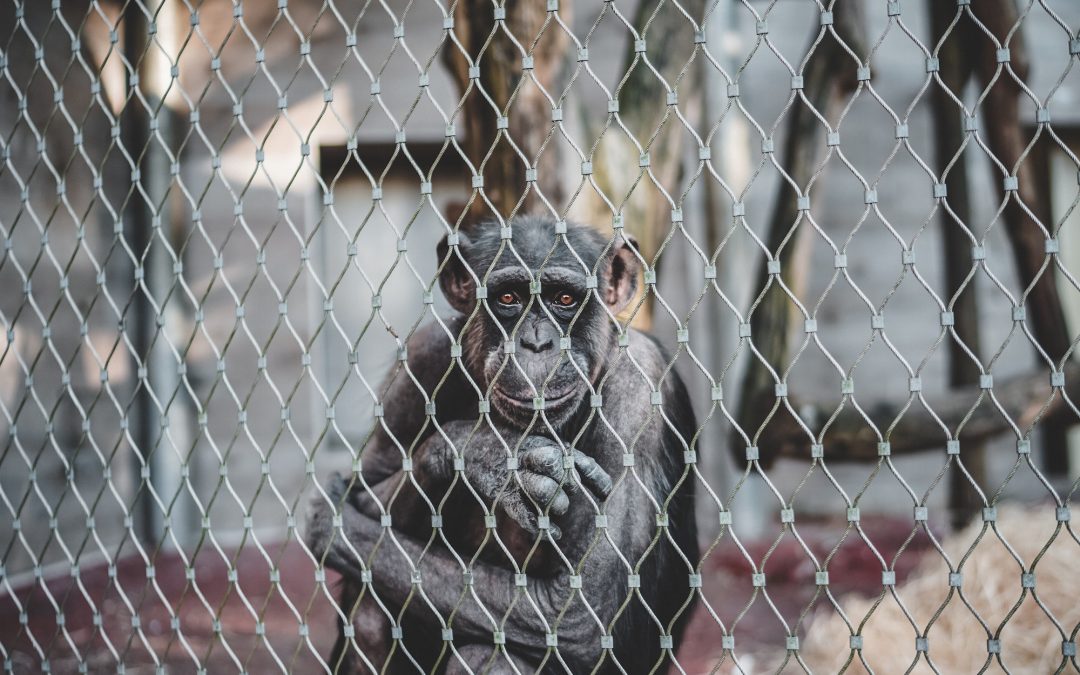
“How to Tell a ‘Good’ Zoo from a ‘Bad’ One” with Kathryn Sussman and Rob Laidlaw
Listen as insider advocates Kathryn Sussman and Rob Laidlaw summarize the differences between sanctuaries, large commercially run zoos, and privately owned, small facilities often referred to as roadside zoos and their sometimes dubious links to the film industry. Kathryn and Rob discuss the hard-to-regulate status of various types of animal institutions with a number of current issues in the news, and they list ways that visitors can identify and avoid facilities that are not ethically sound.

The Little-Known Zoo Technique that is Framing with animal advocate Rob Laidlaw
Have you ever heard of framing? Have you ever visited a zoo that gives the impression that animals are housed in lush natural environments? Learn what we as animal lovers can do to ensure a high standard of animal welfare in these facilities with Rob Laidlaw, founder and director of the Canadian animal protection charity Zoocheck.
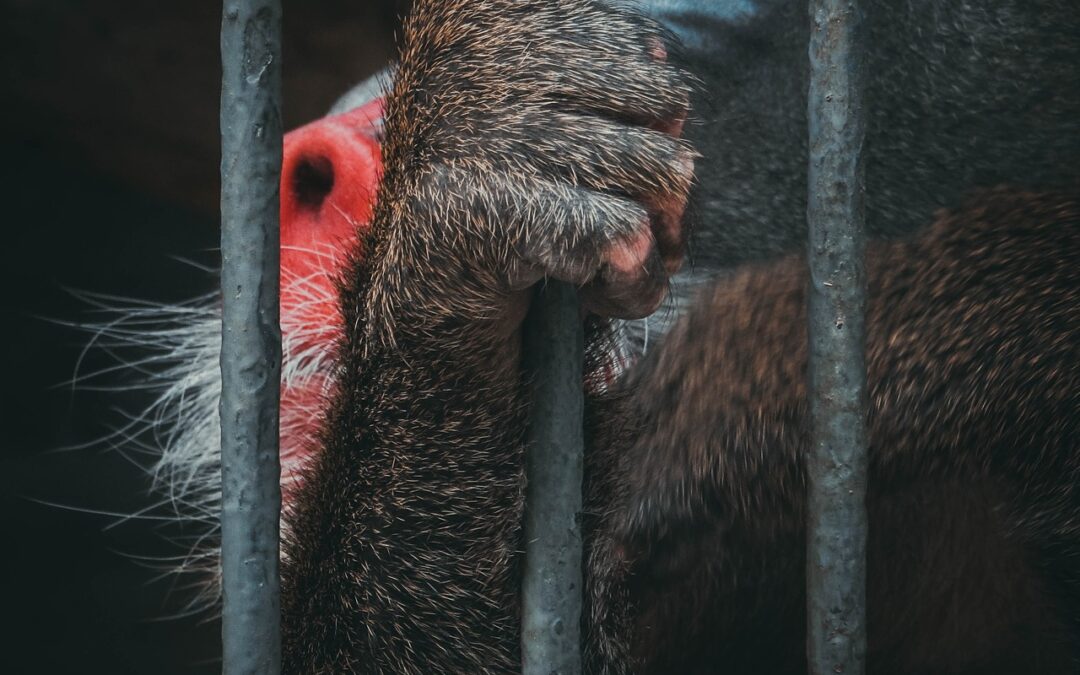
The Ethics of Zoos with associate professors Dr. Andrew Fenton & Dr. Letitia Meynell
Learn about the ethics of animal captivity in zoos and the differences between zoos and sanctuaries from Dr. Andrew Fenton and Dr. Letitia Meynell, associate professors of Philosophy at Dalhousie University.
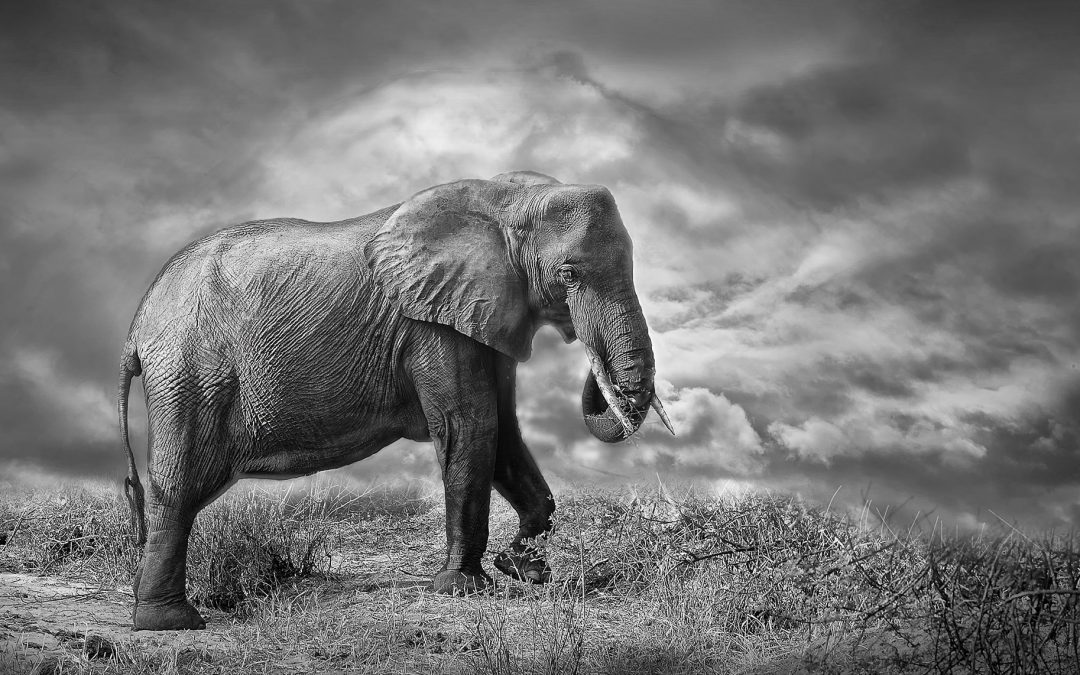
“The aftermath of Bill S-203 : Free Whales vs. Captive Elephants” with Kathryn Sussman and Rob Laidlaw
Listen as Kathryn Sussman and Zoocheck founder Rob Laidlaw outline mainstream hot topics regarding large mammal welfare in captivity. Starting with the low-down on Canada’s recent adoption of Bill S-203 banning whale and dolphin captivity and what it really means for cetaceans, Kathryn and Rob then touch on the well-being of other wide-ranging animal species, getting into the specifics for elephants, and whether their needs can be properly met in zoos, especially in Canada.

Contemplating Elephant Behavior in Zoos with wildlife biologist Dr. Winnie Kiiru
Many elephants, along with Edmonton Valley Zoo’s Lucy now notorious in Canada, are housed in zoos across the world in questionable conditions. Learn from world famous wildlife biologist Dr. Winnie Kiiru who reflects on the traditional viewing of elephant behavior in zoos, that she sees as an inaccurate reflection of their natural habitat.
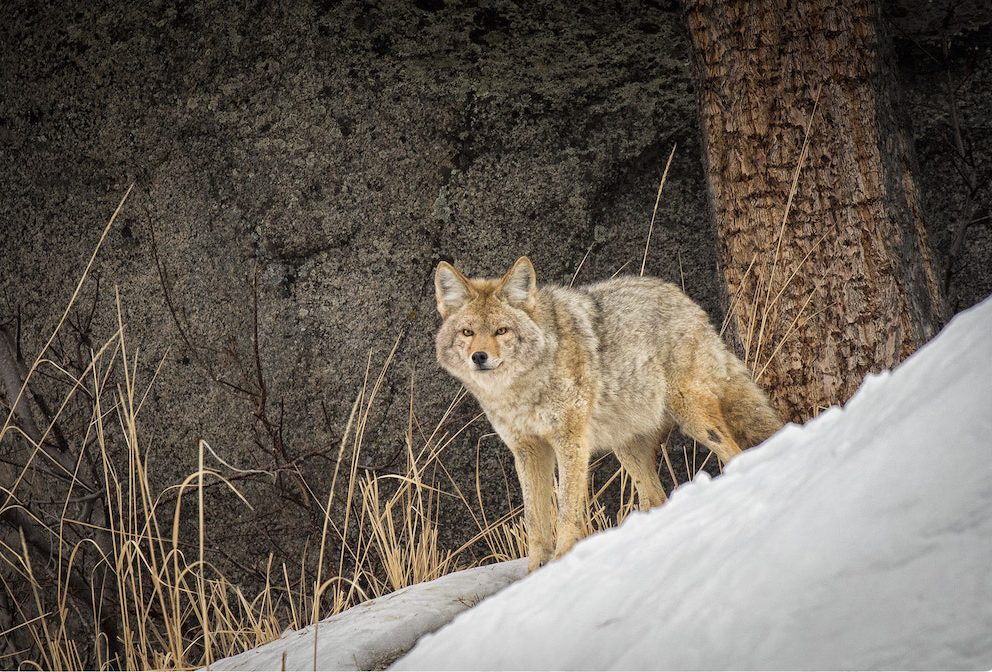
What’s Inside Your Winter Coat? featuring animal rights lawyer Camille Labchuk
Camille Labchuk, one of Canada’s leading animal rights lawyers, talks about the ethics behind the treatment of coyotes and geese used in the making of winter coat products in North America. While this podcast may shock you, it will also provide you with pivotal advice on how to go shopping conscientiously for your coat next winter.

“All Things Whale” with Kathryn Sussman and Rob Laidlaw
Listen as Kathryn Sussman and Rob Laidlaw, Zoocheck founder and animal protection activist, outline mainstream hot topics regarding whales and dolphins – everything from the current status of the now infamous Bill S-203 – Ending the Captivity of Whales and Dolphins Act, to the Vancouver Aquarium lawsuit against the City of Vancouver and the Vancouver Park Board, and the adorable therapy whale Semion who showed up in Norwegian waters only to be deemed a Russian spy!
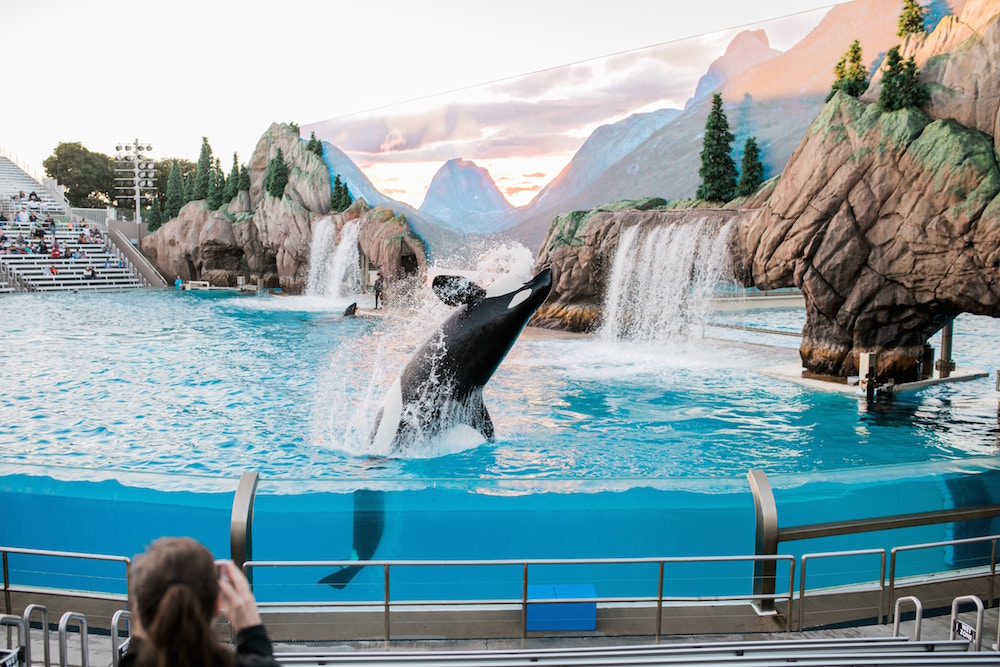
Exploring the ethics of Whale and Dolphin Captivity with marine biologist Dr. Naomi Rose
Listen as Dr. Naomi Rose, marine mammal scientist at the Animal Welfare Institute and member of the International Whaling Commission Scientific Committee, outlines the impact of captivity on cetaceans and how conservationists around the world are fighting to find alternatives to traditional zoo practices.

The Massive Industry that is the Exotic Pet Trade – Rob Laidlaw
In this episode founder and director of Zoocheck, Rob Laidlaw, outlines which animals comprise exotic versus domesticated species. Rob shocks us with the numbers involved in the massive exotic pet trade: globally, if you include fish, this effects hundreds of millions of animals. The consequences of this industry not only to the animals themselves from a welfare point of view, but also to human health and safety, and additionally, to our natural environment is devastating, but Rob guides us through changes we can make in our everyday lives to help the situation.

How We Unwittingly Let Our Dogs Down – Rob Laidlaw
Ever wonder if there are ways you can spruce up your doggie’s life experience? Ever think that that one walk a day may be boring your pooch as much as it feels like a chore to you? In this expert interview, listen as founder and director of Zoocheck, Rob Laidlaw, points out everything from how to improve your best friend’s walk experience, to how to choose the best diet, and whether or not your little buddy would prefer to spend her or his days alone or with a companion. Learn how to make little tweaks to your daily routine that can result in a huge boost to your dog’s existence!
Cetaceans in Captivity – Dr. Naomi Rose
Dr. Naomi Rose, marine mammal scientist of the Animal Welfare Institute, member of the International Whaling Commission Scientific Committee, outlines the impact of captivity on cetaceans and how conservationists around the world are fighting to find alternatives to traditional zoo practices.
Elephants Don’t Belong In Captivity – Dr. Winnie Kiiru
World famous wildlife biologist, elephant expert and international speaker, Dr. Winnie Kiiru describes how viewing elephant behavior in zoos is not an accurate reflection of natural elephant behaviour. Instead of educating kids, it is in fact only a lesson in seeing elephants exhibit aberrant behaviors in unnatural settings.
What’s Inside Your Winter Coat? – Camille Labchuk
Camille Labchuk, leading animal rights lawyer, executive director at Animal Justice, talks about the ethics behind the treatment of coyotes and geese used in the making of winter coat products in North America. While this podcast may shock you, it will also provide you with pivotal advice on how to go shopping conscientiously for your coat next winter.
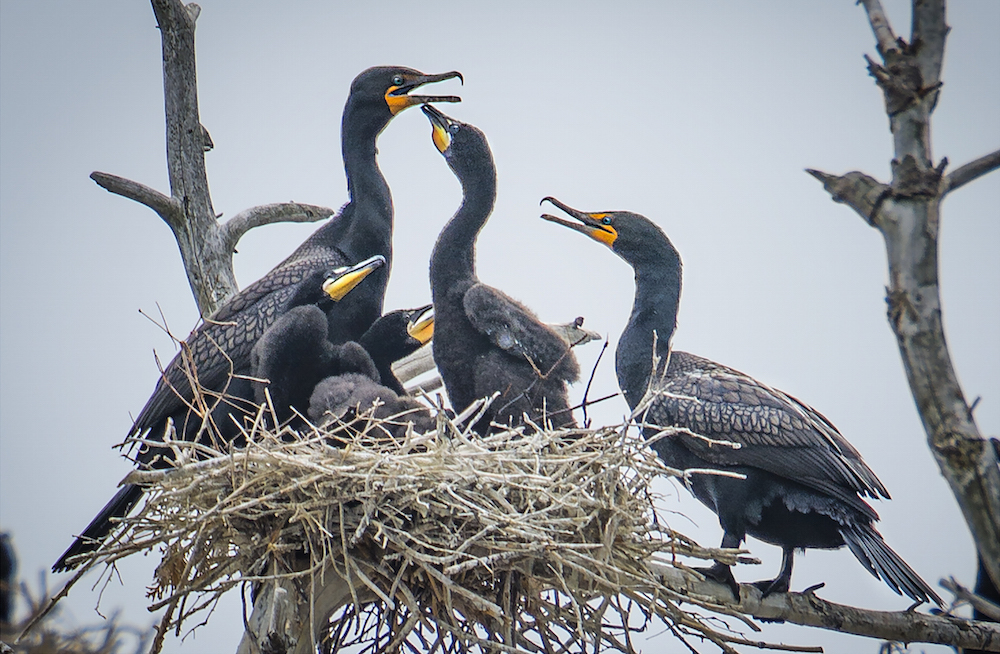
The unfair persecution of the cormorant – Liz White
Join Liz White, founder of Animal Alliance of Canada and leader of the Animal Protection Party of Canada, as she dispels the myths and misconceptions about cormorants in the Great Lakes Basin and explains why their presence is ecologically positive and an environmental good news story.
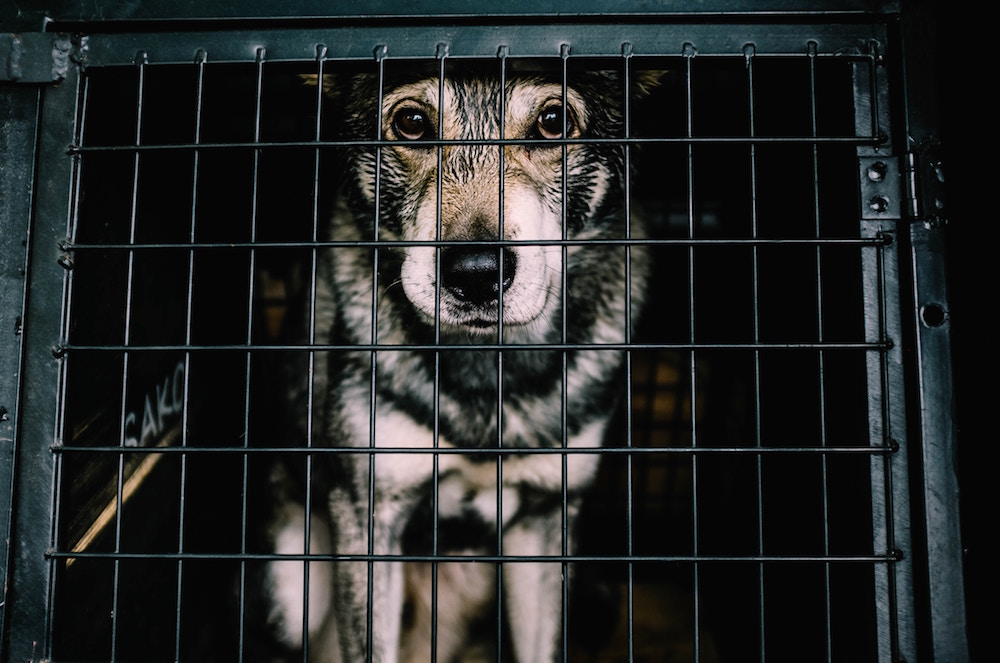
Where Should We Be Getting Our Pets? – Liz White
In this practical and informative expert interview, listen as Liz White, founder of the Animal Alliance of Canada and leader of the Animal Protection Party of Canada, gives us insightful and useful information on where we should be acquiring our pets. Learn the reasons why choosing the right place can have a big impact on animal welfare more generally. One example tip: make sure you are allowed to see the place your pet is coming from – this will allow you to ensure it is a reputable facility!
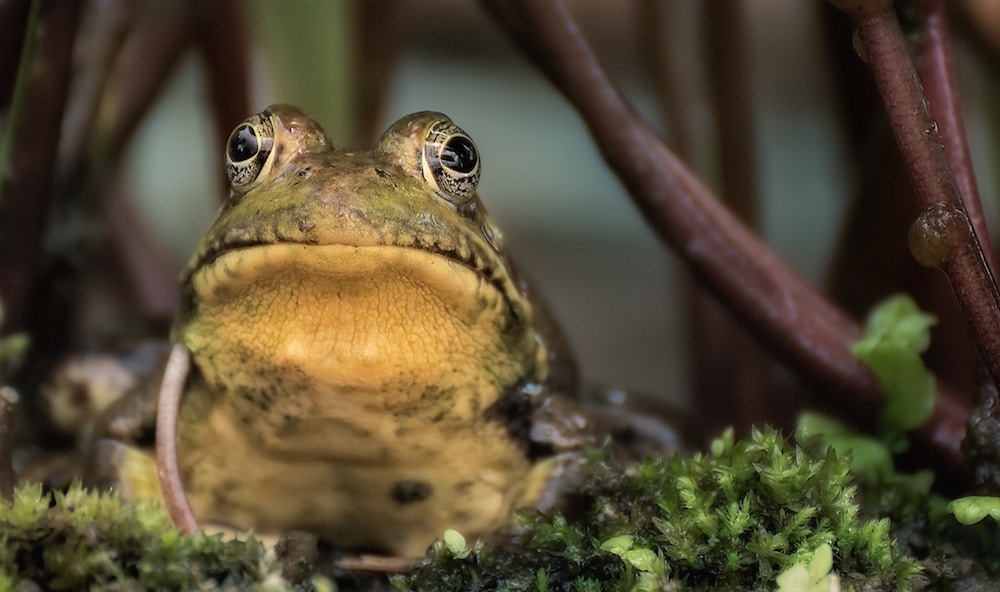
Dissection Part 1: Classroom Dissection – Impacts and Non-Animal Alternatives with Dr. Lori Marino
Listen as Dr. Lori Marino, neuroscientist, expert in animal behaviour and intelligence brings to light the ubiquitous practice of science class dissections. In this interview, Dr. Marino underscores not only the efficacy of animal-friendly alternatives to dissection, but also how research has actually found these alternatives to be superior teaching tools.
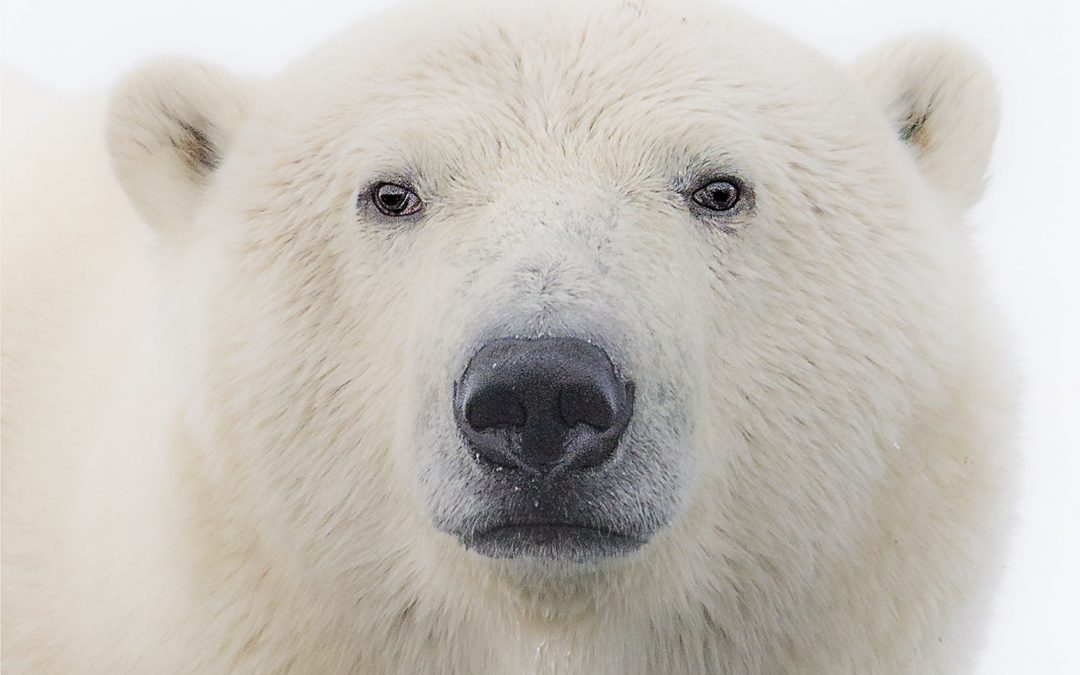
Let’s Keep Polar Bears Where They Belong: In the Wild – Rob Laidlaw
In this episode, Rob Laidlaw of Zoocheck highlights how this magnificent species, fascinating to people the world over, is one of the most prized and, therefore, most in demand at zoos around the globe, as they are a star mega-fauna attraction. However, polar bears are in fact one of most ill-suited species to captivity according to scientific research, given their wide-ranging nature and very specific and complex physical and psychological needs. Rob lays out the problems associated with keeping them in captivity and provides us with the tools we need to identify welfare problems when seeing them in zoos.
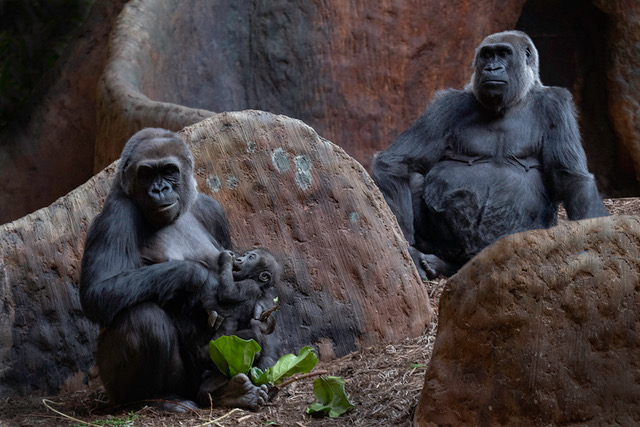
Framing in Zoos and Aquaria – Rob Laidlaw
In this episode, Kathryn speaks with Rob Laidlaw, founder and director of the Canadian animal protection charity Zoocheck. Listen as Rob describes the little known zoo approach of framing, which functions as a type of deception for the visitor, making animals appear like they are in more natural surroundings than they actually are. This practice caters to the human, rather than the animal, and is found frequently at zoos and aquariums around the globe. Learn what we as animal lovers can do to ensure a high standard of animal welfare if we do visit one of these facilities.
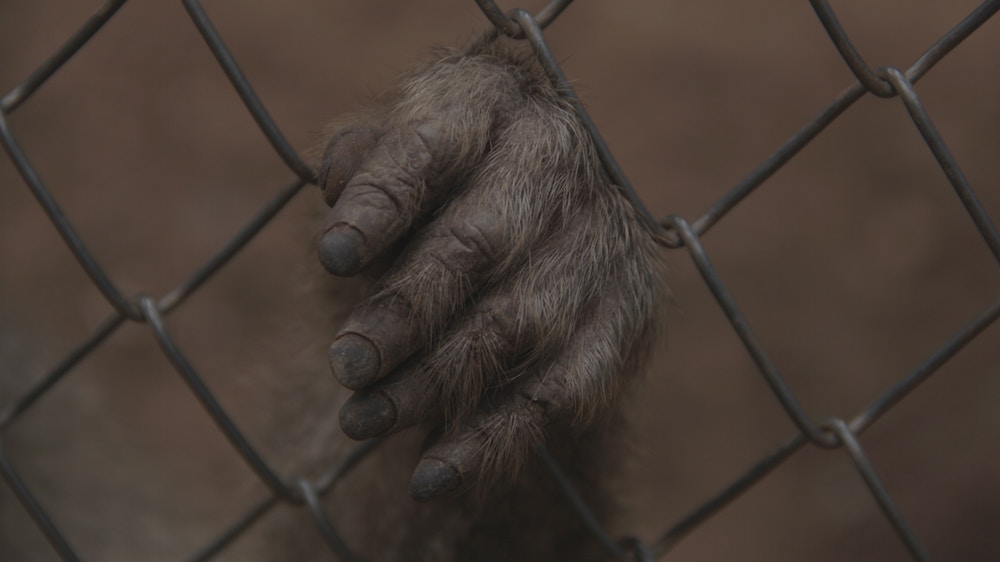
Is Captivity Ethical? – Andrew Fenton and Letitia Meynell
In this episode, Kathryn interviews Dr. Andrew Fenton and Dr. Letitia Meynell, philosophy professors at Dalhousie University in Halifax, Nova Scotia with specialties in bioethics, epistemology and animal ethics. Listen in as they remind us that even the top zoo industry leaders and personnel understand the importance of starting from the premise that captivity is inherently wrong. Taking care of captive animals then becomes a challenge of how can we best do this and meet each individual beings’ needs most effectively. Listen as these thoughtful and knowledgeable experts remind us that animals are not ‘things’ and should not be considered property under the law, as is sadly the reality in many countries around the globe.
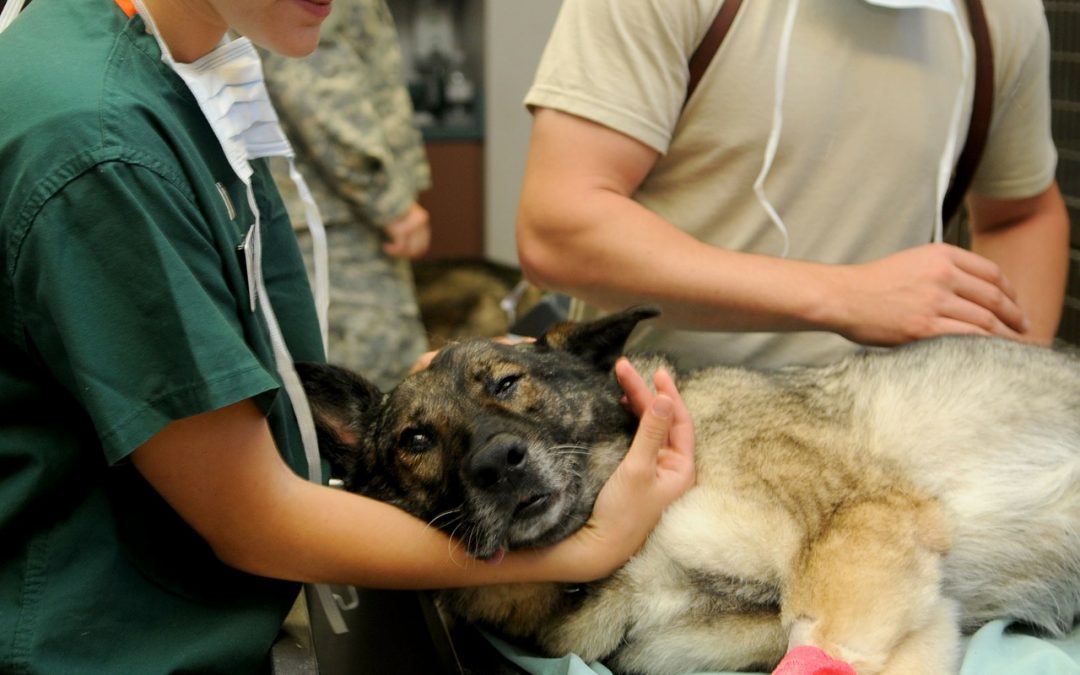
Animal Welfare in Canada – a System We Need to Fix! – Rob Laidlaw
In this podcast, listen as founder and director of Zoocheck, Rob Laidlaw, takes us through the complexities that are the patchwork of laws and regulations that comprise Canada’s insufficient and quite frankly, broken animal welfare protection system. This episode will have you charged to get involved and help strengthen Canada’s legislation so that all animals are protected, even those currently exempted due to practices such as factory farming and testing.